
Beyond the Spreadsheet with Emily James, Service Support Manager for Medical Rotas
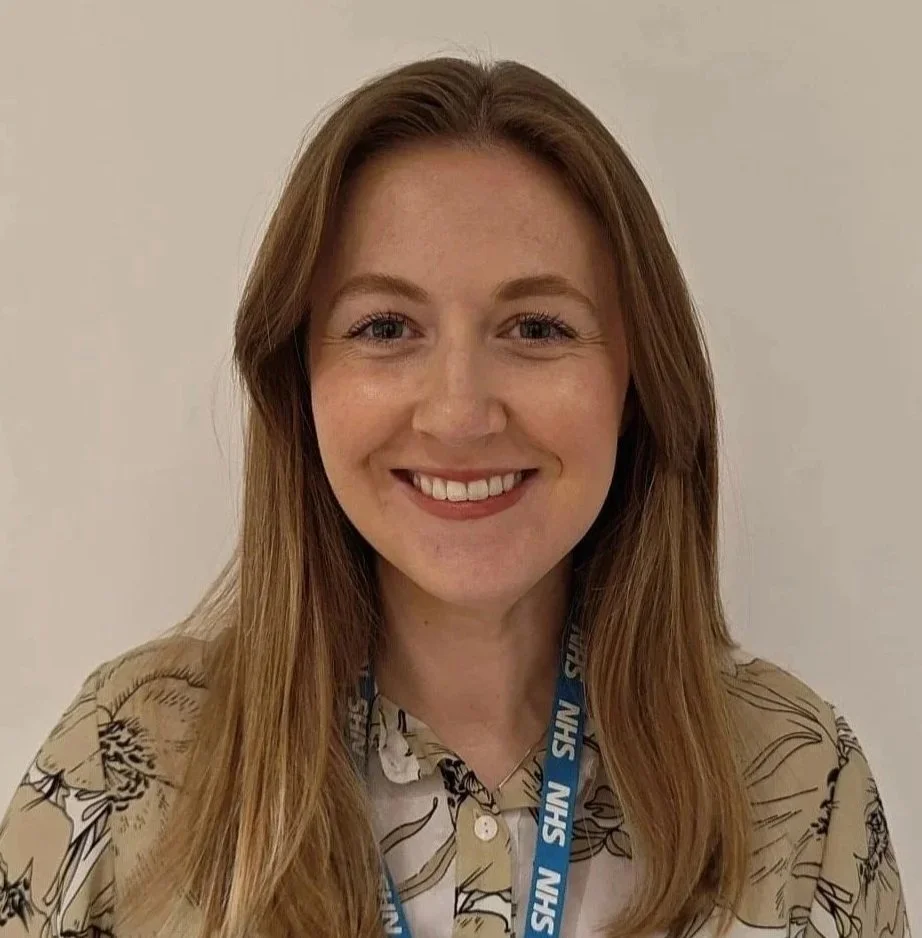
Meet Emily James!
Service Support Manager for Medical Rotas at
University Hospitals Dorset NHS Foundation Trust
For many in the NHS, the Rota Office is a mysterious place behind a closed door, or perhaps just an email address that occasionally delivers bad news about a leave request. But behind the excel sheets and staffing gaps is a team that acts as the heartbeat of hospital operations.
We sat down with Emily James, Service Support Manager for Medical Rotas at University Hospitals Dorset (UHD), to talk about her career in NHS workforce, the hidden emotional labour of the role, and how data is moving the NHS from firefighting to foresight.
Emily, your background isn’t in traditional NHS workforce management. How did you find your way into medical rotas?
Emily: My route into workforce and rota management definitely wasn’t planned at all! I studied Travel and Business Management at the University of Surrey and was working as a travel specialist for Asia in Brighton. I loved it, talking about holidays and travel every day was a dream. Then Covid hit and I was made redundant. That period forced a rethink and a move back home to be closer to family.
I joined UHD as a receptionist in maternity, and from there things moved quickly. I progressed through roles in Endoscopy bookings and as a Breast MDT facilitator before becoming a Head and Neck rota coordinator. That role really felt like where I found my feet, it played to my strengths in organisation, problem-solving and my natural drive to fix things when they aren’t working properly.
After around 15 months in Head and Neck, the opportunity came up to help develop the rota function within Medicine. This was a newly created role which made it even more exciting for me because it gave me the space to bring ideas, challenge “we’ve always done it this way”, and actually implement change. I didn’t set out to work in medical rotas, but I became hooked on the problem-solving and the direct impact the work has on both patient care and doctors’ day-to-day experience. I’ve been in my role for 2 years now and every day is different!
For those outside workforce operations, what does your day-to-day actually look like?
Emily: At its core, my role is about making sure we have a strong, effective rota coordinator function that supports a safely staffed service. I manage a team of five rota coordinators. My job is essentially to make sure they can do theirs. Day to day, that means streamlining processes, looking for ways to work more efficiently and save money, and supporting my team with complex or sensitive issues.
The biggest moving parts across the week are probably unplanned absences, last-minute rota gaps, leave requests, escalations, and then reshuffling priorities when clinical pressures suddenly change.
As a team, we really see ourselves as a support network rather than just a “rota office”. We pride ourselves on going above and beyond for our doctors, whether that’s helping resolve a tricky rota problem or supporting someone through something much more personal.
What makes medical rotas so much more complex than other staffing functions?
Emily: It’s the layers. You’re not just filling a shift; you’re managing training requirements, supervision levels, and senior decision-making. One gap in a medical rota doesn't just stay a gap, it has a knock-on effect on the safety and service delivery of an entire department.
For my role, the biggest challenge is that demands come from every angle. You might have a request from Finance one minute and a critical staffing issue in the Acute Medical Unit the next. You have to be able to pivot instantly.
What are the biggest pressures on medical rotas right now?
Emily: The biggest pressure is sustaining the demand of the services within budget constraints. Services quite rightly need more support, but the funding doesn’t always stretch to match that demand.
My team are very proactive, but unavoidable last-minute absences often push us into reactive mode, which limits the time we can spend planning ahead.
Rota teams are often the ones saying "no" to leave requests. How do you build trust with clinicians?
Emily: It comes down to honesty and visibility and re-iterating that we are all part of the same time and we’re working towards the same goal: a safe, sustainable service and that many decisions involve balancing multiple risks, not choosing easy options.
Trust is built by being consistent and fair. If you explain why a decision was made, managing expectations early, people generally respect that, even if it’s not the answer they wanted.
You’ve mentioned that pastoral care and looking after doctors’ wellbeing is a huge part of the job. Does that side of the role get enough recognition?
Emily: Honestly, not at all. My team plays a huge part in the pastoral care of doctors. We have an open-door culture and actively encourage doctors to come and talk to us. People see the spreadsheet, but they don’t see the "shoulder to cry on" side of what we do. We have an open-door policy, and it’s very common to have a doctor in our office discussing a bereavement, a visa worry, or mental health struggles.
Rota coordinators have difficult conversations every single day. They’re supporting doctors who are exhausted, anxious, frustrated or dealing with things in their personal lives, all while managing service risk. That emotional labour is rarely visible but absolutely essential to safe rota management and what keeps the system human.
We always have to remember that there are real people behind the rota. Sometimes the quickest solution isn’t the right one, and it’s about finding something sustainable rather than just plugging a hole for today.
How do you use data to move from being reactive to proactive?
Emily: Data is what allows us to move from firefighting to foresight and it is essential. It allows us to move from firefighting to foresight. Understanding fill rates, vacancy trends, exception reports and workload patterns helps inform better decisions and more realistic rota design.
I look closely at vacancy patterns, resignation trends, and even data from previous years. We use Locum’s Nest Intelligence solution to look at how much we are spending each month and exactly what we are spending it on. For instance, we know that at the beginning of each rotation, we are usually "flush" with staffing and rarely need backfill. But toward the end of the month, when leave is being taken and sickness hits, the spend spikes.
For example, I’ve looked back at the last three years of data and found that our Locum spend peaks in the exact same places every year. Knowing that means we aren’t surprised when finances get tight; we can plan ahead, book locums earlier, and try to mitigate those costs rather than reacting at the last minute.
Another example, winter escalation wards are often staffed with locums, but this year we’re considering recruitment options earlier to avoid excessive temporary staffing spend.
The metrics I watch most closely are: vacancy rates, short-notice gaps, exception reporting themes, finances, and mandatory training.
Where do digital tools genuinely improve workforce management?
Emily: Where they reduce manual work, improve visibility and support better forecasting rather than just replicating old processes digitally.
Can you give an example of your team solving something that really tested them?
Emily: Industrial action has been a reoccurring test in recent years. It’s a huge challenge to provide safe rotas in such a short timeframe without knowing who will turn up to work. There’s also pressure from the organisation to have rotas written, sometimes without full appreciation of how complicated that process is.
Those periods have really strengthened our teamwork, adaptability and ability to stay calm under pressure.
People often only notice rotas when something goes wrong. How do you keep morale strong in such a high-pressure function?
Emily: I celebrate my team every day. My team are fantastic and always go above and beyond. They know that they enable safe care for our patients every single day. It's important for us that we create the time to do something fun too. We have a Friday lunch time quiz which always boosts morale at the end of the week. The team are also brilliant at leaning on each other for support.
What’s the most rewarding part of the job for you?
Emily: It's so lovely to receive thanks from our doctors. I can’t pick one but we regularly get emails thanking us for supporting them at difficult stages in their lives. It could be anything from a bereavement, a visa worry or mental health struggles. We know which policies we can fall on to help our doctors in situations they find themselves in and always go above and beyond to help. I really feel that in general our doctors really value my team as they have such an impact on their training career.
Knowing that we’ve had a direct positive impact on doctors’ career and well-being is why we do what we do.
💙 Finally, what are you most excited about building or working on in the next twelve months?
Emily: I’m looking to develop a wider rota coordinator function across the care group which is very exciting. The goal is to merge different teams to ensure a more streamlined approach to the service we provide. I’m also continuing our focus on proactive planning so that we can one day get to the stage where we are rostering a year of rotations in advance. That’s the dream!
______
Thank you so much to Emily James for sharing her journey and the incredible work the UHD team is doing behind the scenes!
